

November has a way of drawing us toward the past. The trees along our older streets turn bare, revealing the rooflines, porches, and brick facades they've framed for generations. The light grows soft and low, and the homes themselves seem to come forward.
In neighborhoods like the Highlands, Old Louisville, and Cherokee Triangle, those homes tell a story—of the craftsmen who built them, the families who've lived in them, and a way of building that valued proportion and permanence.
Remodeling a historic home is a privilege. It's also a responsibility. The goal is never to erase what came before, but to carry it forward.
Begin With What the House Already Knows
Every historic home has its own architectural language. Ceiling heights, window rhythms, door casings, and the way one room opens to the next were all deliberate decisions.
Before any design work begins, we take time to understand that language:
- What is original, and what has been altered over the decades
- Which elements define the home's character, and deserve to be protected
- Where past renovations worked against the architecture, and could be undone
- How the home is lived in today, and where it falls short
The best renovations of older homes feel as though they were always there. That begins with the house itself.
Millwork and Trim: The Signature of an Era
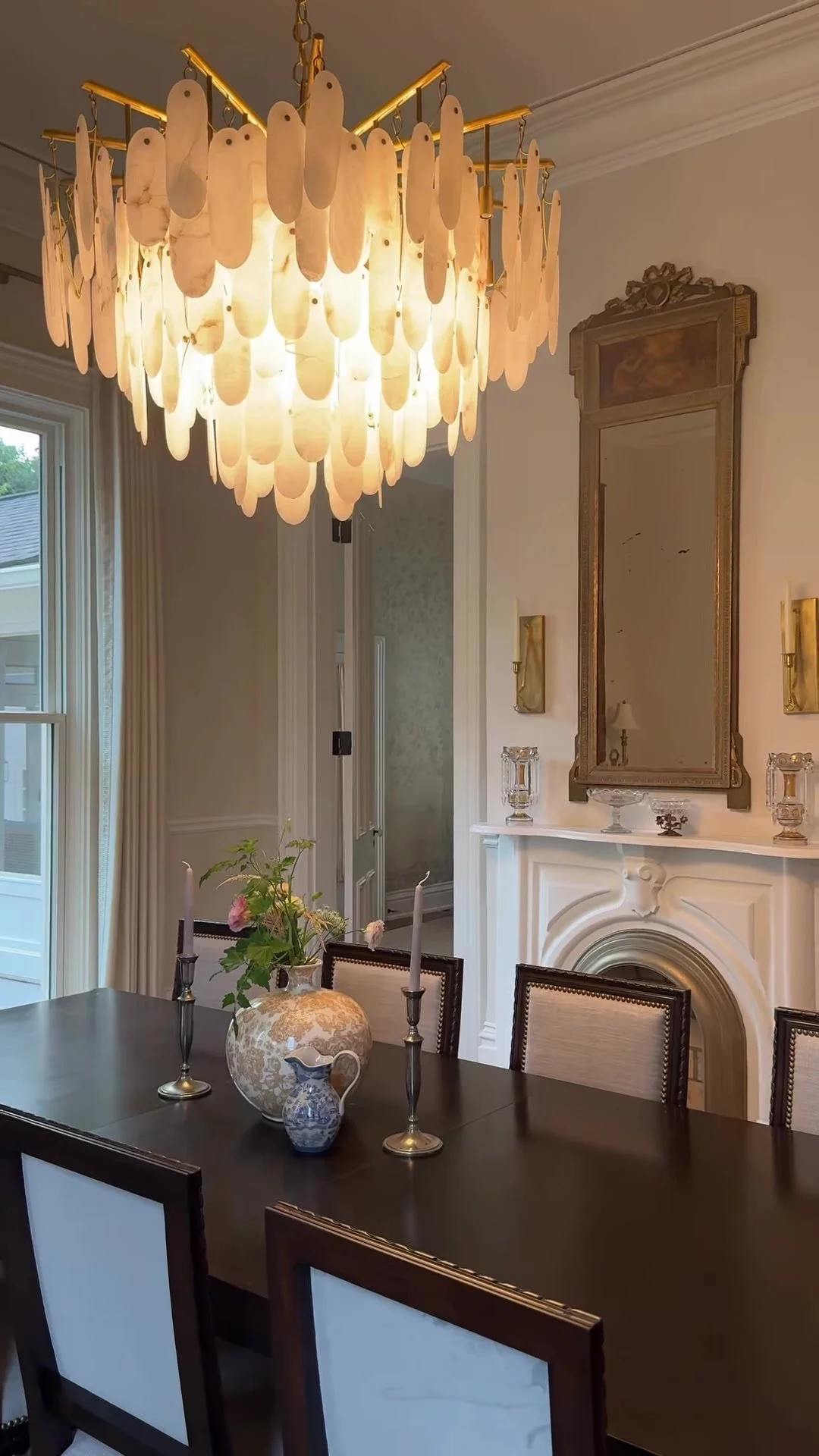
Original millwork is often the first thing people notice in a historic home—and the hardest thing to replicate. Crown molding, baseboards, window and door casings, built-ins, and stair details carry the hand of their era.
Wherever possible, original millwork should be preserved and restored. Where new trim is needed, it should be profiled and scaled to match what's already there, so the new and the old read as one.
Plaster, Floors, and Windows
- Plaster walls have a density and softness that newer walls rarely achieve. Where they can be repaired, they're often worth keeping. Where new walls are needed, plaster and limewash finishes can echo the original surfaces.
- Original hardwood floors carry generations of wear and warmth. Refinished with care, they become the foundation of the home all over again.
- Original windows define the face of a home and the way light enters each room. Their proportions, profiles, and divided lites deserve careful consideration before any change is made.
Respecting Proportion
Historic homes were often designed with a clear sense of proportion—tall ceilings, generous windows, and rooms scaled to their purpose. Modern renovations can unintentionally work against that balance.
An opening widened too far, a ceiling lowered to hide ductwork, or a wall removed without regard for the room's original shape can leave a home feeling unsettled. Thoughtful design improves flow while keeping the proportions that make the home feel right.
Modern Kitchens and Baths, Sensitively Integrated
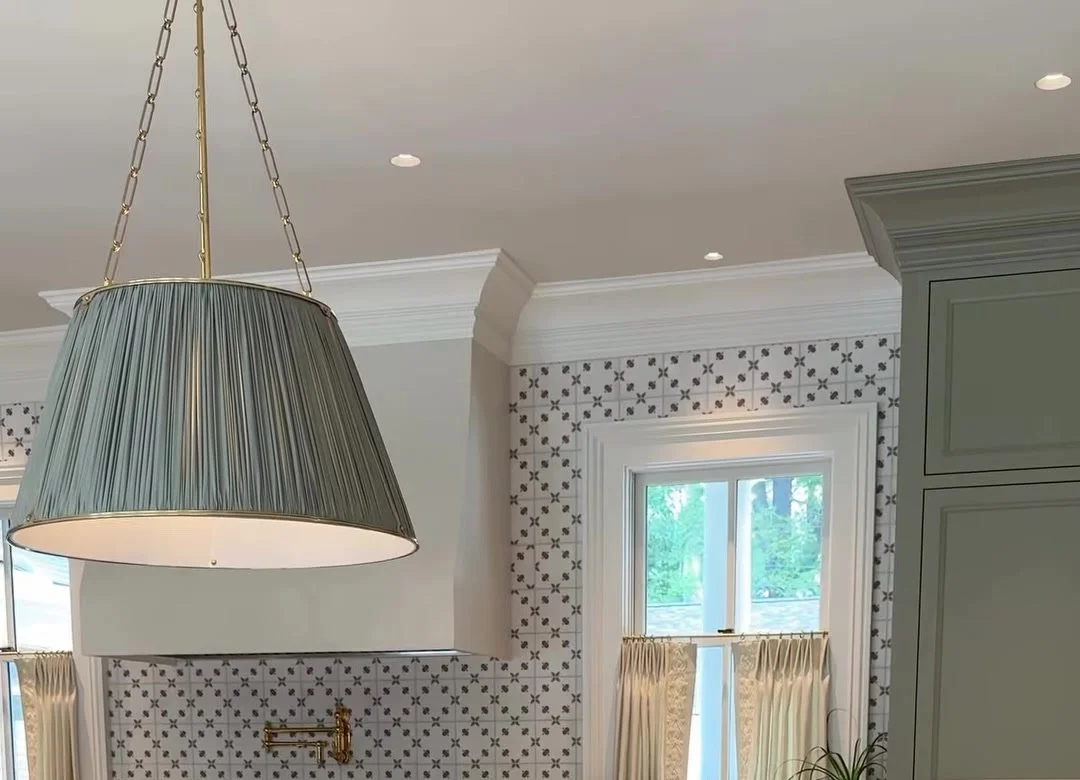
No one wants to live in a museum. A historic home should have a kitchen that performs beautifully and bathrooms that feel restorative.
The challenge is integrating them so they belong. Custom cabinetry with period-appropriate detailing, natural stone, integrated appliances that recede behind panels, and lighting that complements rather than competes all allow a modern kitchen to feel at home within older architecture. In bathrooms, classic materials and timeless fixtures bring comfort without breaking character.
The Systems Behind the Walls
Much of the work in a historic renovation is invisible—and essential. Updated electrical, plumbing, and mechanical systems make an older home more comfortable and more efficient.
The art is in hiding that work. Routing ductwork, wiring, and plumbing through an older structure takes careful planning, so original ceilings, trim, and plaster can remain undisturbed wherever possible.
Additions That Honor the Original
When a historic home needs more space, an addition should feel like a natural chapter of the same story. Rooflines, materials, window proportions, and trim details should relate to the original home, so the addition looks as though it was always intended.
It's also worth understanding early whether your neighborhood or property is subject to preservation review. Some are, and planning for it from the start keeps a project moving smoothly.
Where Heritage Meets Home: In the Upper Highlands
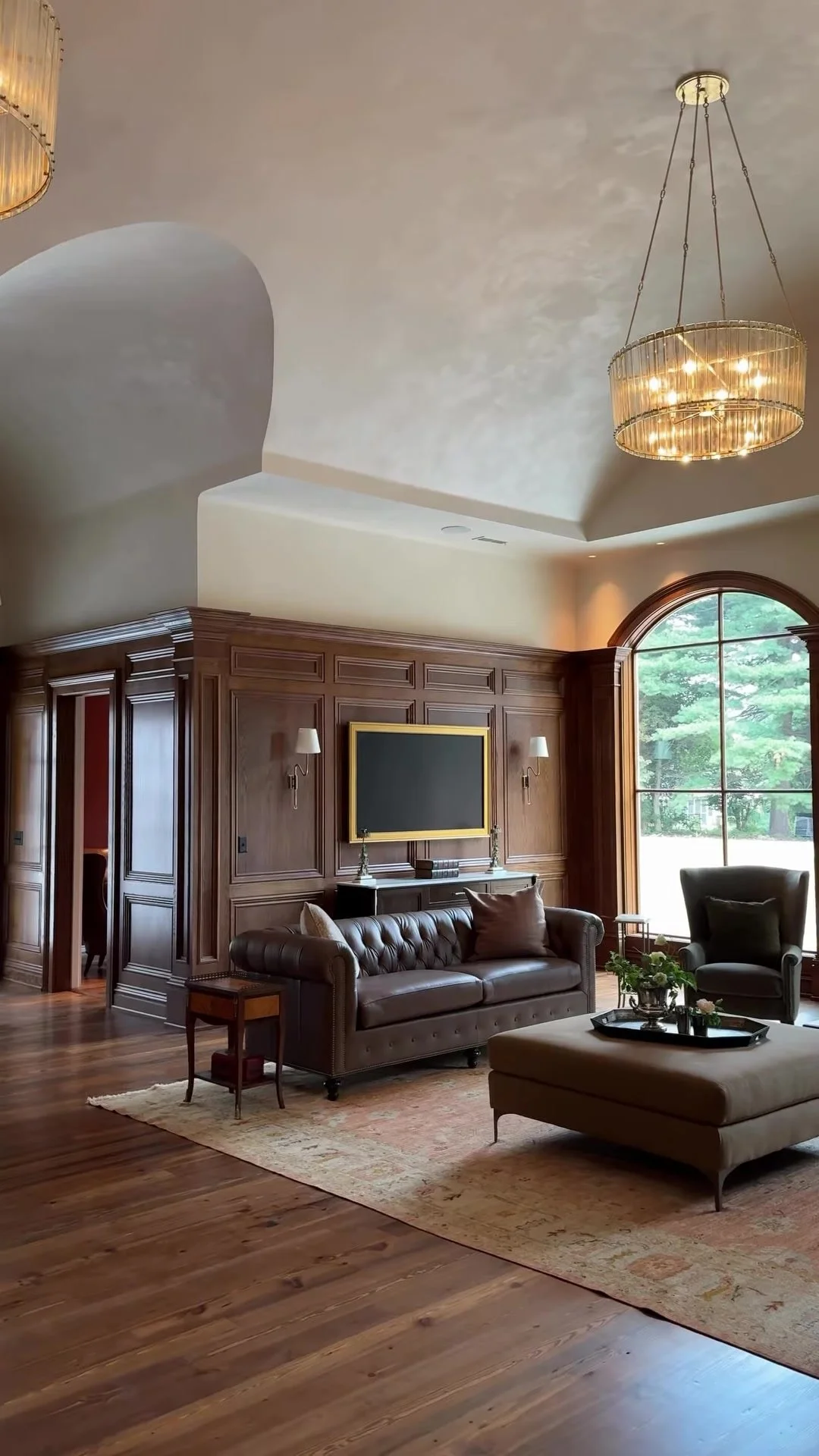
For nearly 60 years, this Upper Highlands property was home to Hayfield Montessori, a cherished part of the Louisville community. In 2024, the current homeowners purchased the property, and we began the journey of thoughtfully transforming it back into a single-family home while preserving its historic character.
The project combined three historic structures—an 1865 Italianate farmhouse and two former school buildings—into one cohesive home in the Upper Highlands.
Every effort was made to preserve original 19th-century elements, including the exterior wood planks, 13-foot ceilings, crown molding, hardwood floors, and the home's five original fireplaces. The former school building became an expansive great room with a barrel-vaulted ceiling and fireplace, flowing into the kitchen and family living spaces.
This past August, we were proud to open the home to visitors on the 2026 Tour of Remodeled Homes.
Why Design+Build Matters for Older Homes
Historic homes rarely reveal everything at first glance, and design decisions often depend on what's discovered during planning.
That's why an integrated team matters. With our in-house architectural design, project management, and construction working together, design and building decisions are made in the same conversation. Our Discovery process begins with a laser scan of your home, followed by drawings and 3D renderings, guided selections, and a comprehensive proposal—so your home's character is understood before construction begins.
Final Thought
A historic home is a gift from the generations who built it. Remodeling one well means listening to the house, protecting what makes it irreplaceable, and adding what modern life requires with the same care its original craftsmen brought to it.
When it's done thoughtfully, the home doesn't just survive another century. It thrives in it.
Ready to bring new life to a historic home? We'd love to hear its story. Contact Twin Spires Construction & Remodeling to schedule your initial consultation.
