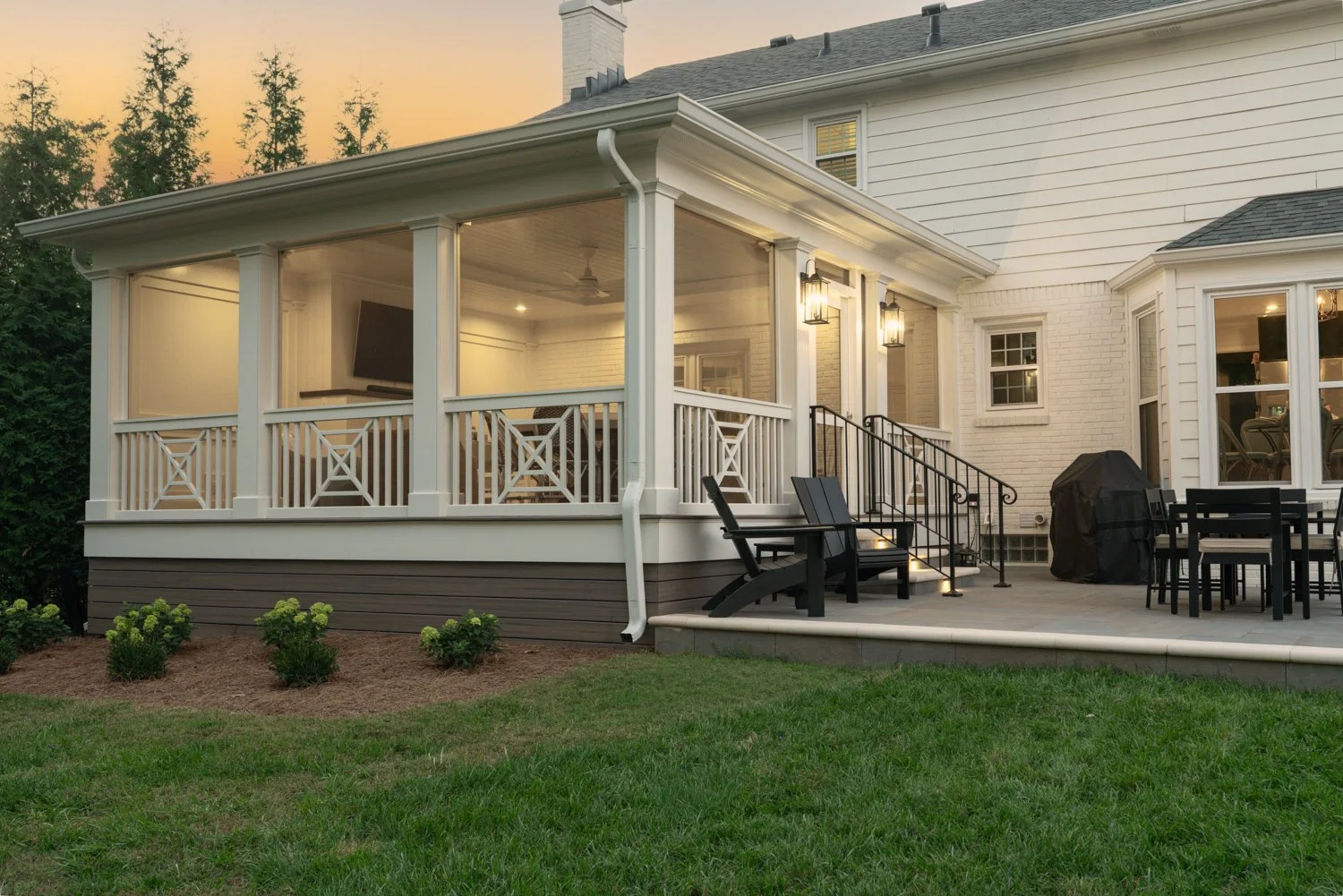
Creating the Ultimate Indoor-Outdoor Living Space
The most memorable homes don’t end at the back door. They extend outward—blurring the line between interior comfort and exterior beauty, between everyday living and elevated retreat. Indoor-outdoor living has become one of the most sought-after design elements in modern homes, not as a trend, but as a lifestyle shift toward connection, flexibility, and intentional use of space.
Creating a successful indoor-outdoor living environment isn’t simply about adding a patio or installing large doors. It’s about designing continuity—architecturally, visually, and functionally—so that inside and outside feel like two expressions of the same space.

Start With Flow, Not Features
The foundation of great indoor-outdoor living is flow. Before selecting materials or amenities, consider how the home naturally moves. Where do people gather? Where does light enter? How do daily routines transition from kitchen to living room to outdoors?
The most effective indoor-outdoor spaces align with primary living areas—kitchens, great rooms, dining spaces—so that opening a door feels intuitive, not forced. When the transition is seamless, outdoor spaces are used more frequently and more naturally, becoming part of everyday life rather than an occasional destination.
This flow should feel effortless, not overdesigned.
Architectural Continuity Is Key
One of the biggest distinctions between a good indoor-outdoor space and a great one is architectural alignment. The exterior should feel like an extension of the interior—not a stylistic afterthought.
This can be achieved through consistent ceiling heights, aligned rooflines, and thoughtful structural details like beams, columns, or soffits that visually connect inside and out. Large-format sliding or folding doors amplify this effect, allowing walls to dissolve when weather permits.
When architecture works in harmony, the boundary between interior and exterior becomes flexible—open when desired, enclosed when needed.
Materials That Bridge the Divide
Material selection plays a critical role in unifying indoor and outdoor spaces. Repeating or echoing finishes—such as flooring tones, stone textures, or wood elements—creates visual continuity and cohesion.
Outdoor-rated materials that mirror interior finishes allow the eye to move fluidly across spaces. For example, porcelain pavers that resemble interior tile, or stained wood ceilings that extend from inside to a covered patio, reinforce the sense of one continuous environment.
Durability matters here. Outdoor materials must withstand weather while maintaining the same level of refinement as interior finishes. When done well, the result feels elevated, intentional, and timeless.
Covered Spaces Extend Usability
An outdoor living space should be usable beyond perfect-weather days. Covered patios, porches, and loggias add architectural interest while significantly increasing functionality.
Ceilings provide shade, protection from rain, and an opportunity for lighting, fans, heaters, or integrated audio. They also help define outdoor “rooms,” giving the space a sense of enclosure and purpose—much like an interior living area.
A well-designed covered outdoor space feels less like a backyard add-on and more like a destination.
Comfort Is Non-Negotiable
True indoor-outdoor living isn’t about aesthetics alone—it’s about comfort. Outdoor spaces should be just as inviting as the rooms inside the home.
This means investing in quality furnishings designed for outdoor use, with proper scale, cushioning, and layout. Seating should encourage conversation, lounging, and flexibility. Dining areas should feel grounded and protected, not exposed or temporary.
Climate control also plays a role. Ceiling fans, radiant heaters, fireplaces, or even retractable screens can dramatically extend the usability of outdoor spaces across seasons.
When comfort is prioritized, outdoor living becomes habitual, not occasional.
Kitchens, Fire Features, and Functionality
Amenities should support how the space will actually be used. Outdoor kitchens, for example, are most successful when they mirror indoor workflow—thoughtful placement of grills, prep areas, refrigeration, and storage makes entertaining seamless.
Fire features add warmth and visual anchoring, creating a natural gathering point. Whether it’s a fireplace integrated into a wall or a freestanding fire pit, fire introduces movement, light, and a sense of intimacy.
The key is restraint. Amenities should enhance the experience, not overcrowd the space. Function should always guide form.
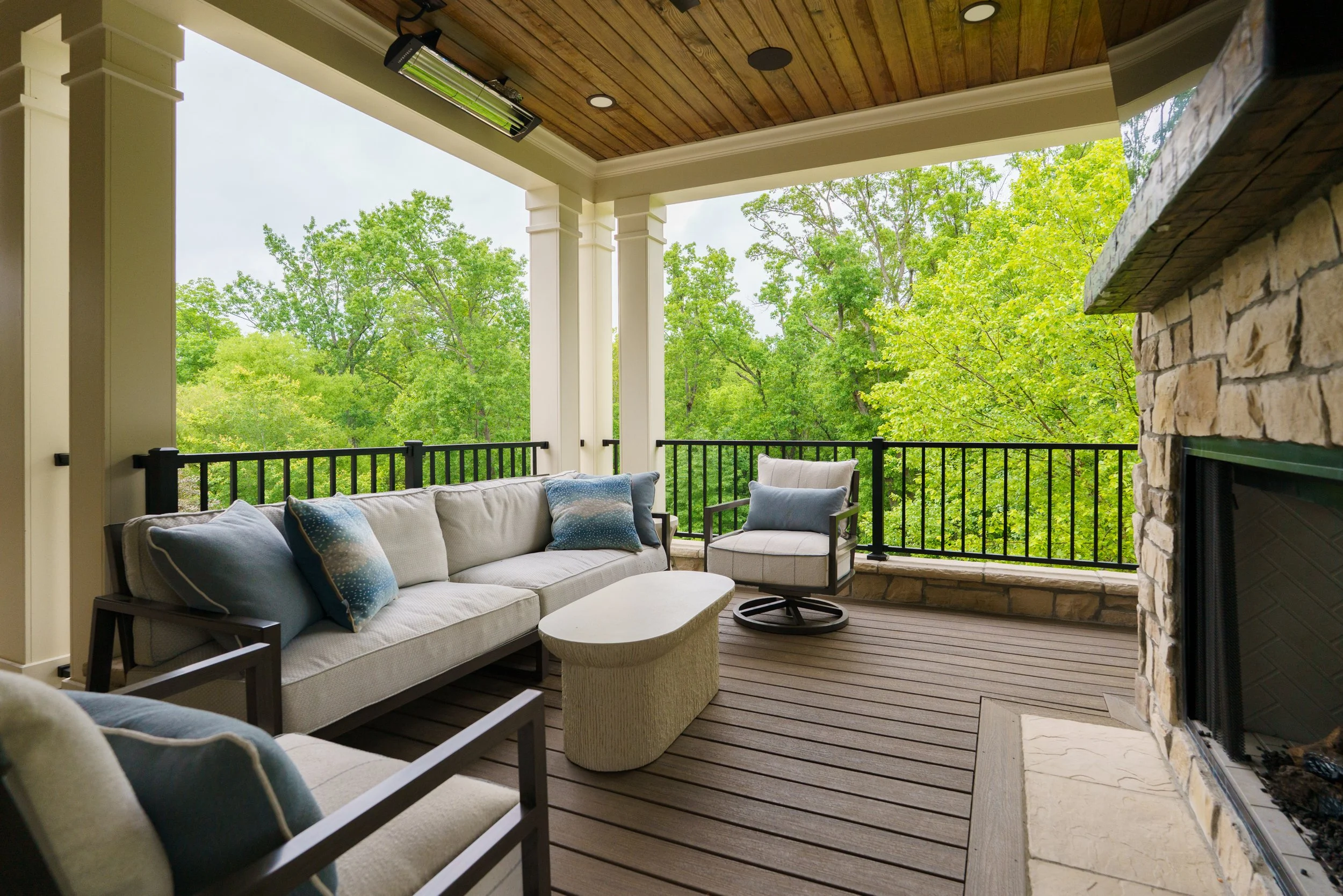
Lighting Sets the Mood
Lighting is often overlooked outdoors, yet it’s one of the most transformative elements. Thoughtful lighting extends usability into the evening while shaping atmosphere and depth.
Layered lighting—ambient, task, and accent—creates balance. Recessed ceiling lights provide general illumination, while sconces, pendants, or lanterns add character. Landscape lighting further extends the visual boundary, making the outdoor environment feel expansive and intentional.
The goal is not brightness, but warmth. Outdoor lighting should feel inviting and subtle, enhancing the experience rather than dominating it.
Landscape as the Final Layer
Landscaping is the connective tissue that ties indoor-outdoor living together. Thoughtful planting softens architecture, frames views, and enhances privacy without feeling enclosed.
Greenery should be considered part of the design—not just decoration. Strategic placement of trees, hedges, and planters can define spaces, guide movement, and create a sense of enclosure that mirrors interior rooms.
When landscape and architecture work together, the result feels curated, calm, and immersive.
Designing for How You Live
Ultimately, the best indoor-outdoor living spaces are deeply personal. They reflect how homeowners entertain, relax, and connect—with each other and with their surroundings.
Some spaces are designed for hosting large gatherings; others prioritize quiet mornings and intimate evenings. Neither is better than the other. Success lies in aligning design decisions with lifestyle, not trends.
When indoor-outdoor living is approached thoughtfully, it becomes more than an architectural feature. It becomes a way of living—one that invites balance, connection, and a deeper appreciation for home.
Final Thoughts
Creating the ultimate indoor-outdoor living space is about intentional design, not excess. It’s about continuity, comfort, and functionality working together to blur boundaries and elevate daily life.
When done well, these spaces don’t just add square footage—they add meaning. They encourage lingering conversations, slow mornings, and shared moments that unfold naturally between inside and out.
And that, ultimately, is what great design is meant to do.