

Why Craftsmanship Matters In Every Project
In an age of speed, shortcuts, and instant results, craftsmanship can feel like a lost art. Homes are renovated faster than ever, materials are ordered with a click, and trends cycle through social media at lightning speed. Yet, despite all of this acceleration, craftsmanship remains the quiet constant that separates spaces that simply look good from those that truly endure. It is the difference between a home that impresses on day one and one that continues to feel intentional, functional, and beautiful for decades.
Craftsmanship is not about extravagance or excess. It is about care. It is the discipline of doing things properly, even when no one is watching. In every project—large or small—craftsmanship is what transforms construction into design, and materials into meaning.
Craftsmanship Begins With Thoughtful Planning
True craftsmanship starts long before the first hammer is lifted. It begins in the planning phase, where decisions are made with intention rather than haste. How a space will be used, how people will move through it, how light will change throughout the day—these considerations shape the foundation of a successful project.
When planning is rushed or treated as an afterthought, problems surface later in the process. Misaligned cabinetry, awkward transitions, poorly placed lighting, or inefficient layouts often stem from insufficient forethought. Craftsmanship demands patience at the beginning, recognizing that time spent planning saves time, money, and frustration during construction.
A thoughtfully planned project reflects an understanding that every detail matters. It prioritizes functionality alongside beauty and ensures that the finished space feels cohesive rather than pieced together.
Precision Is What Elevates Materials
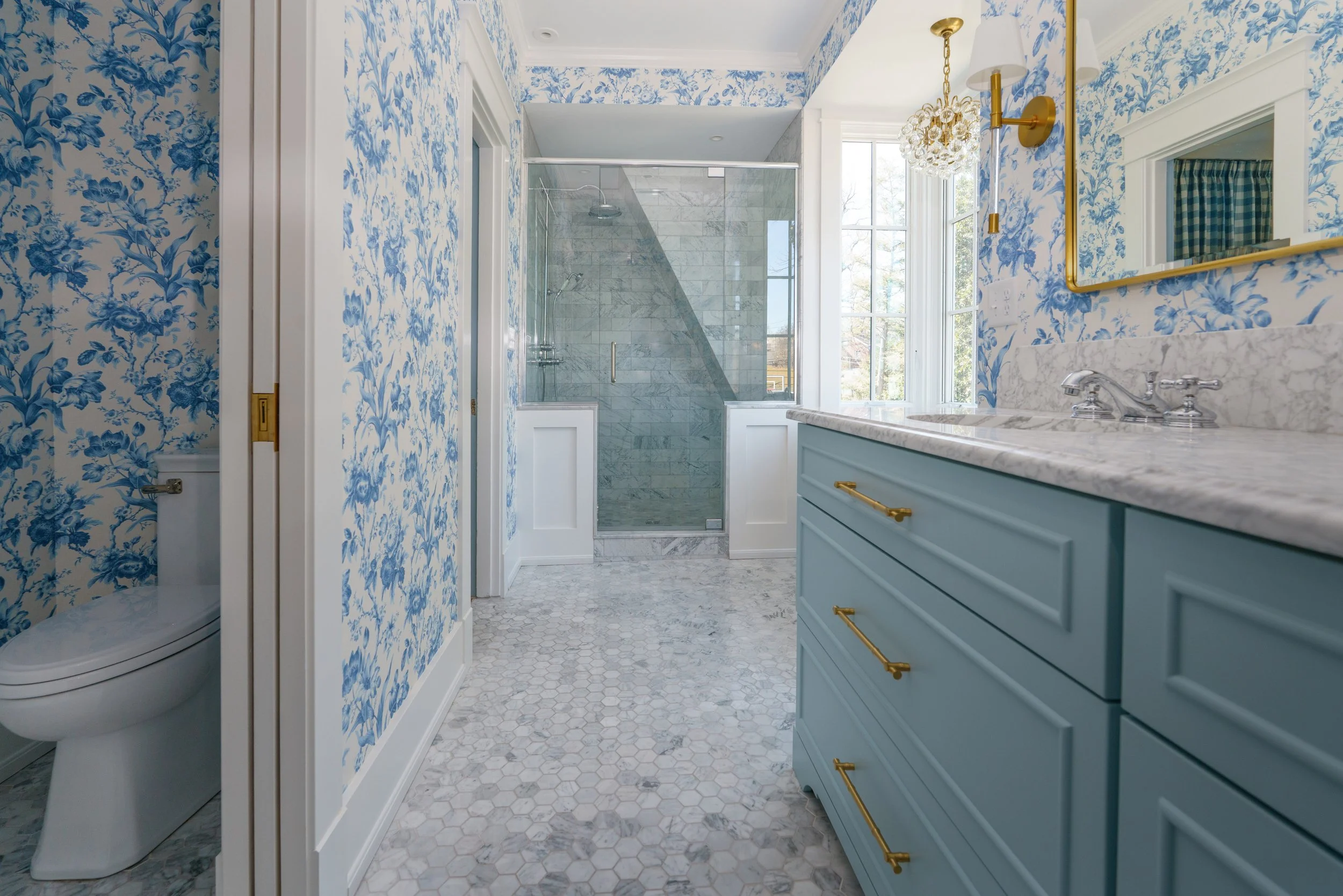
Materials alone do not define quality. The same stone, wood, or tile can feel either elevated or underwhelming depending on how it is handled. Craftsmanship lives in the execution—the alignment of seams, the consistency of reveals, the smoothness of transitions from one surface to another.
Precision is what allows materials to perform at their best. A well-crafted joint, perfectly mitered edge, or thoughtfully layered trim detail may go unnoticed at first glance, but collectively these elements create a sense of calm and balance within a space. Poor execution, on the other hand, is immediately felt—even if the viewer cannot quite articulate why something feels “off.”
Craftsmanship ensures that materials are respected, not rushed. It acknowledges their limitations and strengths and works with them rather than against them.
The Value of Skilled Hands
Craftsmanship is inseparable from the people who carry it out. Skilled tradespeople bring years—often decades—of experience to each project. They understand how materials behave, how buildings settle, and how small adjustments can make a significant difference in the final outcome.
This level of expertise cannot be replicated through shortcuts or automated solutions alone. It is built through repetition, problem-solving, and a deep familiarity with the work. When skilled hands are involved, challenges are anticipated rather than reacted to, and solutions are implemented with confidence and care.
Projects that prioritize craftsmanship also prioritize collaboration. Designers, builders, and trades work together, each respecting the role of the other, to achieve a unified vision. This collaboration results in spaces that feel intentional rather than accidental.
Craftsmanship Protects the Investment
Homes are one of the largest investments most people will ever make. Craftsmanship plays a critical role in protecting that investment over time. Poor workmanship often reveals itself slowly—through cracks, warping, water intrusion, or mechanical failures—long after the project is complete.
Well-crafted spaces age gracefully. Doors continue to close properly, finishes wear evenly, and systems function as intended. This longevity reduces the need for repairs, replacements, and renovations down the line, ultimately saving money while preserving value.
Beyond durability, craftsmanship contributes to resale appeal. Buyers may not consciously identify the quality of workmanship, but they feel it. Homes that are thoughtfully built and carefully finished consistently stand apart in the market.
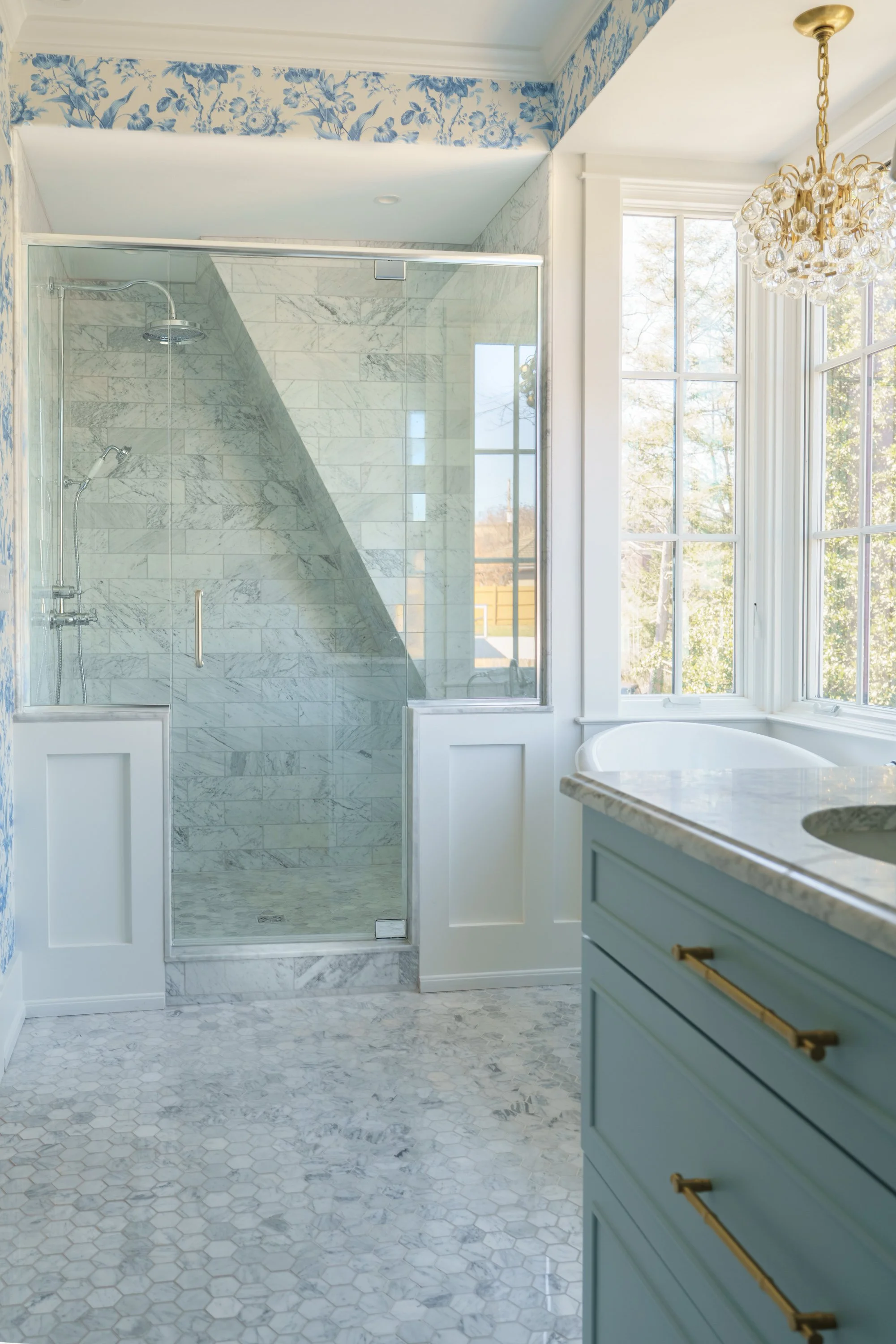
Craftsmanship is not just seen. It’s felt.
Details also shape how a space is experienced emotionally. A well-crafted home feels calm, balanced, and welcoming. It supports daily life without calling attention to itself, allowing the architecture and design to quietly enhance the way people live.
Beauty Is Found in the Details
Craftsmanship is most evident in the details. The subtle curve of a handrail, the way cabinetry aligns seamlessly with walls, or how trim meets flooring without interruption—these moments define the character of a space.
While trends come and go, well-executed details remain timeless. Craftsmanship allows design to transcend a specific moment, creating spaces that feel relevant long after trends have faded. It is what gives a home depth, warmth, and a sense of permanence.
Details also shape how a space is experienced emotionally. A well-crafted home feels calm, balanced, and welcoming. It supports daily life without calling attention to itself, allowing the architecture and design to quietly enhance the way people live.
Craftsmanship Reduces Waste and Rework
One of the lesser-discussed benefits of craftsmanship is efficiency. Projects built with care from the outset experience fewer mistakes, less material waste, and minimal rework. Each decision is made with intention, reducing the likelihood of costly changes during construction.
Revisions are often where budgets stretch and timelines slip. Craftsmanship minimizes these disruptions by emphasizing accuracy and foresight. When measurements are precise and installations are done correctly the first time, projects move forward smoothly and predictably.
This approach also aligns with sustainable building practices. Using materials efficiently and building for longevity reduces environmental impact and supports responsible construction.
Craftsmanship Builds Trust
Trust is an essential component of any successful project. Clients trust that their home is being treated with respect, that decisions are made in their best interest, and that quality will not be compromised behind the scenes.
Craftsmanship reinforces that trust. It demonstrates a commitment to excellence that goes beyond appearances. When clients see consistent care applied throughout a project—from framing to finishes—they gain confidence in the process and the people behind it.
This trust often extends beyond a single project. Homes built with craftsmanship lead to long-term relationships, referrals, and a reputation rooted in integrity.
Why Craftsmanship Always Matters
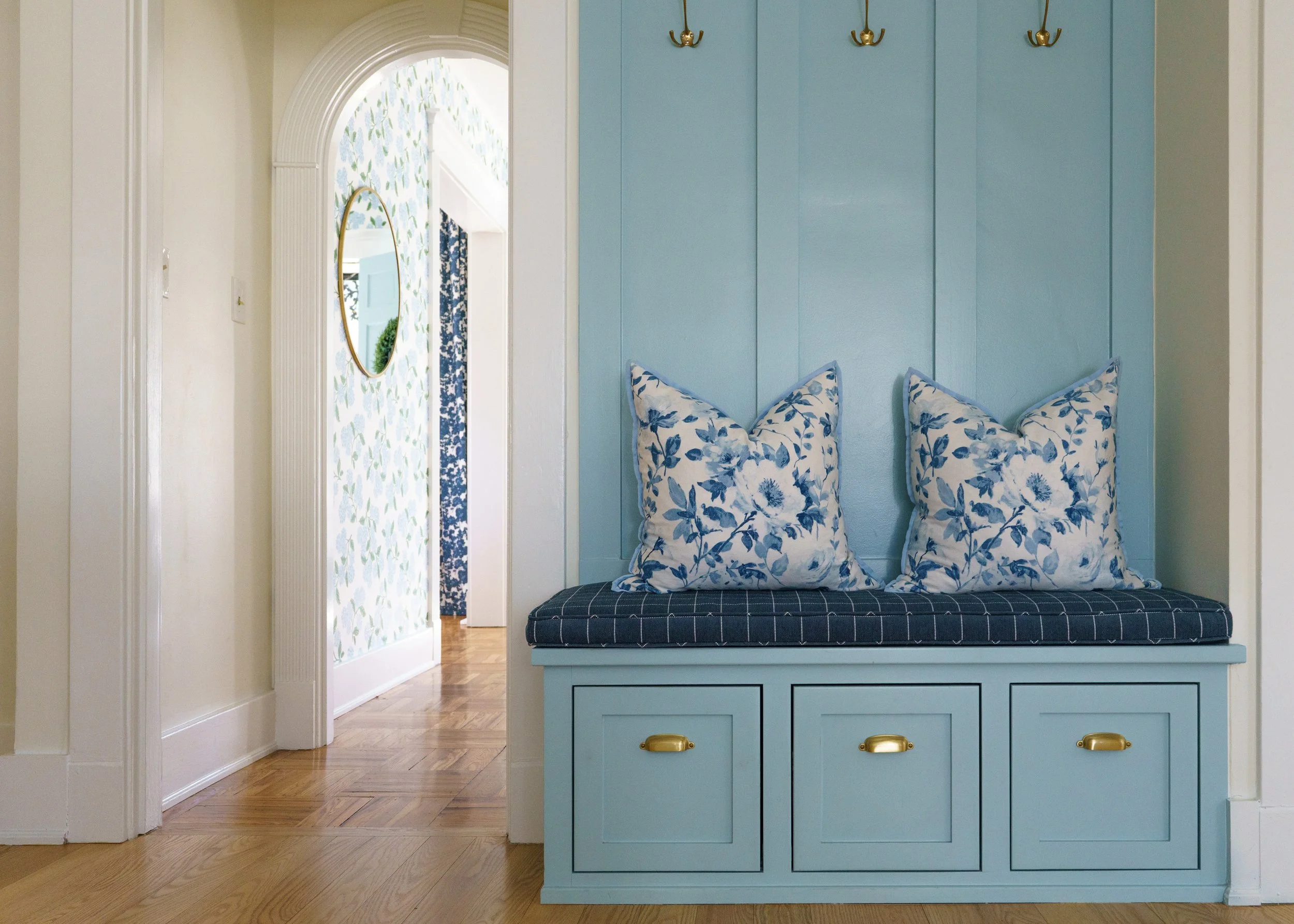
Regardless of scale, craftsmanship matters in every project. Whether renovating a kitchen, adding an addition, or building a custom home, the same principles apply. Careful planning, skilled execution, attention to detail, and respect for materials form the backbone of meaningful design and construction.
Craftsmanship is not about doing more—it is about doing better. It prioritizes quality over speed and intention over convenience. It recognizes that the true success of a project is measured not just by how it looks when completed, but by how it lives, ages, and supports those who call it home.
In a world that often values immediacy, craftsmanship remains an enduring reminder that some things are worth taking the time to do right.
